
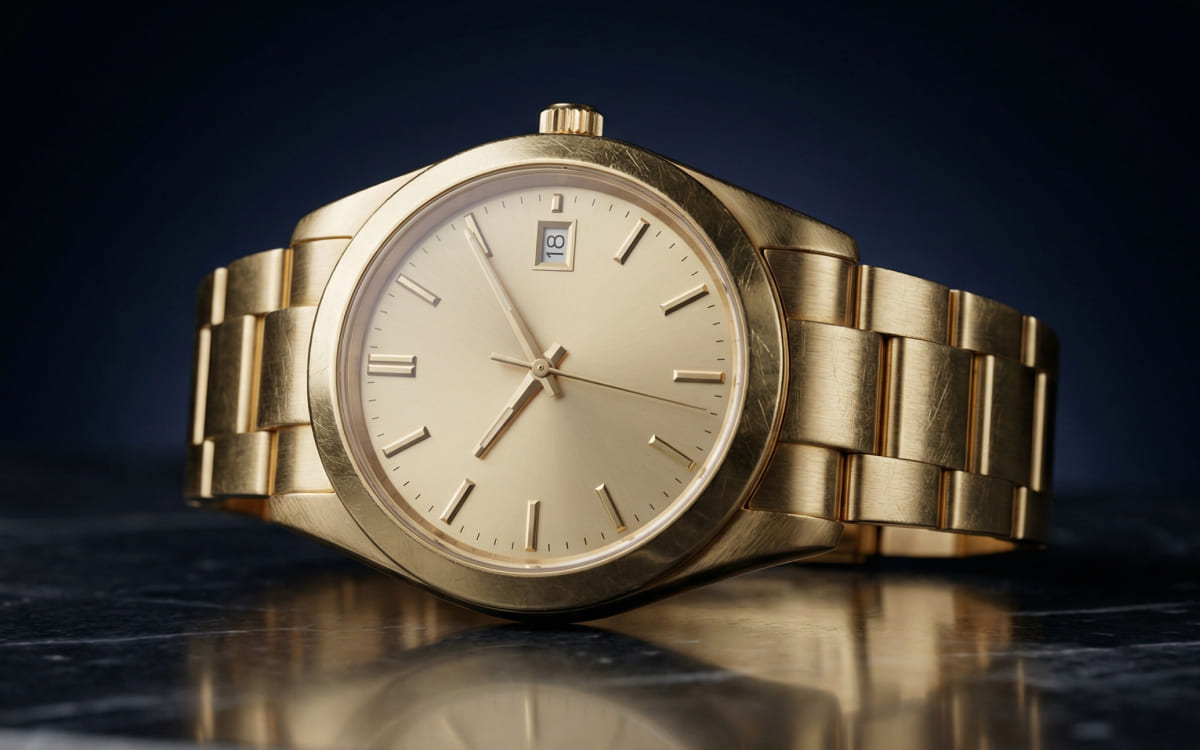
Gold watches have long symbolized success and refinement. Unlike digital wearables that lose value as technology changes, a finely crafted gold watch can retain—and sometimes grow—its worth. Understanding why gold watches make smart investments helps consumers appreciate their tangible and intangible benefits.
The intrinsic value of gold
Gold is a precious metal with global demand; its price tends to trend upward over time. Unlike stainless steel or ceramic, gold retains inherent value—meaning that the metal content of a watch contributes directly to its worth. When gold prices rise, the value of your watch’s material can appreciate accordingly. This intrinsic value provides a hedge against inflation and market volatility.
Brand power and craftsmanship
Not every gold watch is created equal. High‑end brands such as Rolex, Patek Philippe, Audemars Piguet and Omega are renowned for meticulous engineering and iconic designs. Collectors often seek limited editions or discontinued models; scarcity and brand prestige drive long‑term value growth. Choosing a watch from a reputable maker increases the likelihood that it will maintain or increase its value.
Durability and legacy
Gold watches are built to last physically and stylistically. Properly maintained, they can be handed down as heirlooms, growing more valuable with age. They are resistant to rust and tarnish, and unlike trend‑driven gadgets, their classic design transcends fashion cycles. A gold watch embodies tradition and craftsmanship—a tangible legacy to share with future generations.
Weighing the pros and cons of gold watch investment
Pros
- **Tangible asset** – A luxury watch is a physical item you can wear and enjoy while it appreciates.
- **Holds value** – Gold and renowned watch brands retain strong resale appeal.
- **Wearable luxury** – Unlike gold bars locked in a vault, a watch complements your wardrobe and enhances your lifestyle.
- **Legacy** – A well‑maintained timepiece is a meaningful heirloom.
- **Global recognition** – High‑end gold watches are universally recognized symbols of success.
Cons
- **High upfront cost** – Premium materials and brands require a significant investment.
- **Maintenance and servicing** – Luxury watches need regular servicing and proper storage.
- **Market variability** – Not every gold watch appreciates; brand, model and rarity matter.
- **Resale challenges** – Finding the right buyer can take time, making watches less liquid than stocks.
How to make a smart purchase
1. **Buy from reputable sources** – Stick to authorized dealers or trusted jewelers. Verification through serial numbers, boxes and certificates adds confidence.
2. **Check for certification** – Original documentation and authenticity certificates enhance resale value.
3. **Consider rarity** – Limited editions and special collaborations are more likely to appreciate.
4. **Protect your investment** – Insure your watch and store it properly when not in use.
5. **Track the market** – Follow resale trends and collector interest to identify models with growth potential.
Gold watches vs. digital alternatives
While smartwatches offer features such as fitness tracking and notifications, they depreciate quickly and become obsolete in a few years. A gold watch, on the other hand, is designed to be worn and cherished for decades. It is more than a timekeeper—it is a wearable investment and statement piece that anchors itself in tradition.
Conclusion
Investing in a gold watch combines the security of a tangible asset with the pleasure of wearing something beautiful. The intrinsic value of gold, coupled with the prestige of esteemed watch brands, makes these timepieces both practical and prestigious. By carefully weighing pros and cons, verifying authenticity and considering rarity, you can choose a gold watch that not only elevates your style but also safeguards wealth for the future.